One of the quiet joys of staying at Thula Moya is that a self-drive safari starts right on your doorstep — we are just five minutes from Kruger’s Phalaborwa Gate. No early-morning transfers, no crowds, just you, your car and a full day in one of the world’s great wild places. Here is everything you need to know to make the most of a day in the Kruger from Phalaborwa. (New to the area? See our guide on getting to Phalaborwa.)
At the gate: what to bring and expect
The Phalaborwa Gate is a calm, uncrowded entrance to central Kruger. When you arrive, park, head inside, and complete the entry forms. A little preparation makes it quick:
- Bring your ID or passport and your vehicle registration (licence disc, or rental papers if you have hired a car).
- Conservation fees apply, with different rates for South African residents, SADC nationals and international visitors — have a card or cash ready.
- Arrive early. Gates open around sunrise, and an early start means the best game viewing and an unhurried day ahead.
- Fill up with fuel before you go — it is only five minutes from us to the gate, so top up in town.
The rules of the road
Kruger is a wild, working ecosystem, and a few simple rules keep both you and the animals safe. They also happen to make for better sightings:
- Stick to the speed limit — 50 km/h on tar roads, 40 km/h on gravel. There is no hurry here.
- Never chase, crowd or harass animals. Let them set the pace; if an animal wants to cross, stop and wait.
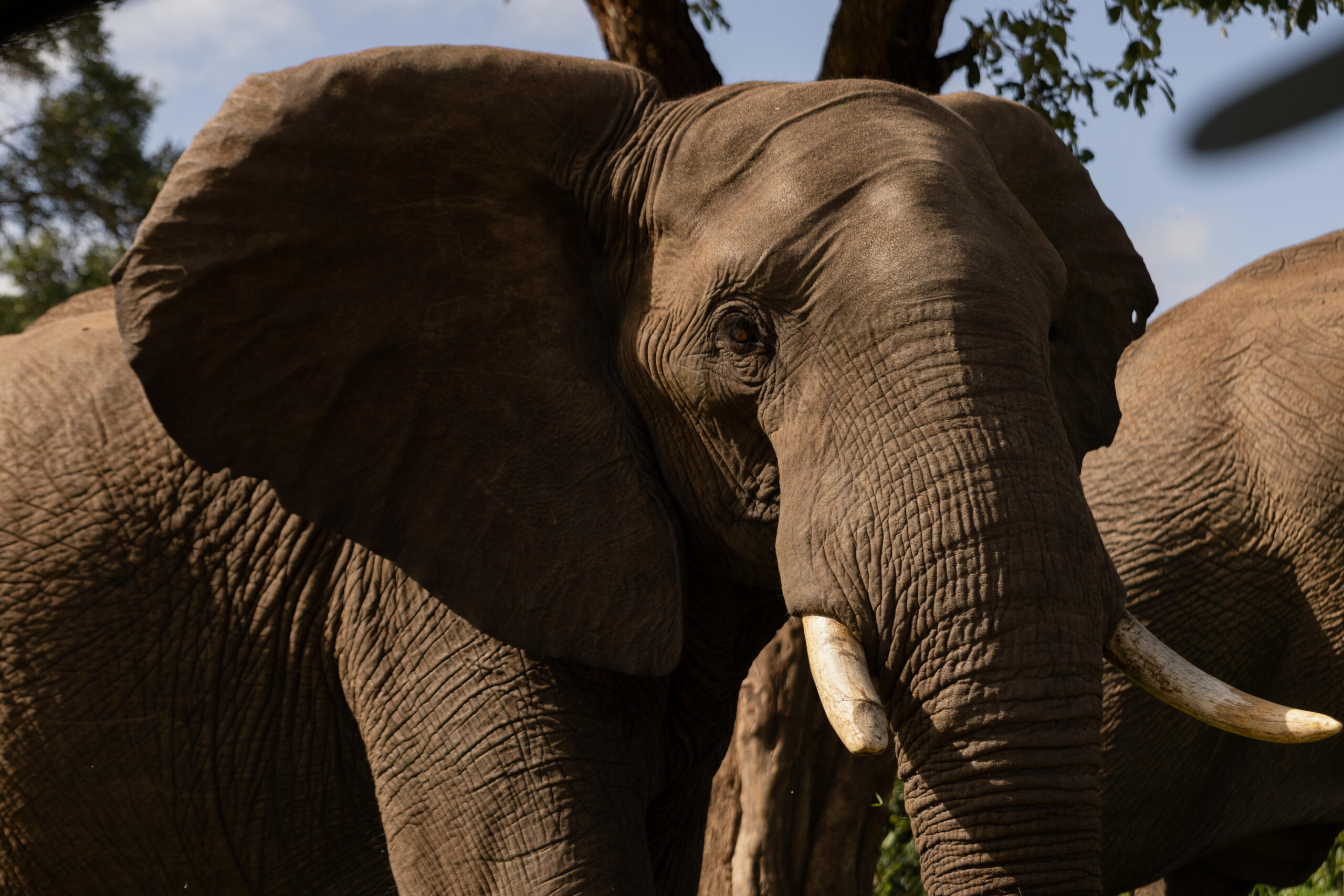
- Around elephants, keep your distance and switch off your engine. Give them plenty of room and never block their path.
- Stay inside your vehicle at all times, except at designated get-out points, rest camps and picnic sites.
- Keep noise down, never litter, and never feed the animals.
- Keep to the roads, and be out of the Park or at your camp before the gates close for the evening.
An easy day drive from Phalaborwa
If you are based in Phalaborwa, here is a relaxed route that works beautifully as a full day — gentle distances, plenty to see, and a proper lunch spot at the turnaround. Take it slowly and let the day unfold.
Sable Dam
Just inside the gate, Sable Dam is a quiet waterhole with a hide — the perfect gentle start and a real treat for birdwatchers. Watch for fish eagles, kingfishers, herons and storks, with plains game drifting down to drink. There are bathrooms here, and the hide is a designated spot where you can safely get out of your car.
Masorini
On the tar road toward Letaba, Masorini is a beautifully reconstructed late Iron Age site. In the 1800s the Sotho-speaking BaPhalaborwa people lived and worked here, mining and smelting iron ore in clay furnaces and trading iron goods as far as the coast. There is a small museum and a shady picnic area at the foot of the hill, with bathrooms — a lovely spot to get out and have a bite — and guided walks up to the restored huts and furnace. Keep your eyes open on the way: a leopard is often seen near the site.
Letaba
On the banks of the Letaba River, this classic rest camp is an ideal pit stop for breakfast or an early lunch overlooking the water. Letaba has a petrol station, toilets and a curio shop, and it is safe to get out, stretch your legs and enjoy the view. Don’t miss the Elephant Hall, home to the tusks of Kruger’s legendary big tuskers. If you are making good time, you can press straight on toward Olifants.
Olifants
Perched high on a ridge with one of the finest views in the whole Park, Olifants rest camp looks out over the river far below — the perfect place for a leisurely brunch or lunch before turning for home. Like Letaba, it has fuel, toilets, a curio shop and sweeping river views, and it is safe to leave your vehicle. Allow around 2.5 hours’ driving from the gate, so time your morning accordingly and start back in good time to be out before the gates close.
Getting out of your car: you may only leave your vehicle at designated spots. The rest camps (Letaba and Olifants), Masorini and the Sable hide all have facilities and are safe to stretch your legs — everywhere else, stay inside. And because mobile signal inside the Park is patchy, we provide printed maps in the cottage; save the pins below to your phone before you set off, but don’t rely on data once you are through the gate.
Handy map pins for your day
A few of our favourite stops and viewpoints along the Phalaborwa–Olifants route. Tap to open each in Google Maps and save them before you go:
- Sable Sleepover HideBirding hide near the gate — bathrooms, safe to get out.
- Masorini Archaeological SiteIron Age site, museum and picnic spot — bathrooms, safe to get out.
- Von Wielligh’s BaobabA magnificent giant baobab — a classic photo stop from the car.
- Olifants BridgeA low bridge over the Olifants River — superb for hippos, crocodiles, elephants and birds. Stay in your vehicle.
- N’wamanzi ViewpointA lookout over the Olifants River near the camp.
- Olifants River ViewpointSweeping views across the river valley.
- Olifants Rest CampClifftop rest camp — fuel, toilets, curio shop, restaurant and the finest views in the area; safe to get out.
A birdwatcher’s bonus
Phalaborwa and central Kruger are a birder’s paradise, and you do not even have to go far — Thula Moya itself is a quiet haven for birdlife. Pack your binoculars and a field guide; between Sable Dam, the Letaba River and the camps, you can easily tick off dozens of species in a single day.
What to pack
- Binoculars and a bird book — you are in prime birding country.
- Water, snacks and a picnic if you fancy one, or eat at Letaba or Olifants.
- Sunscreen, a hat, and a light layer for the cool early morning.
- A full tank of fuel, and a charged phone and camera.
- Patience — the best sightings come to those who sit quietly and wait.
After a long, happy day in the Park, it is a five-minute drive back to a hot shower, a quiet garden and a comfortable bed at Thula Moya — the easiest base you could ask for a self-drive safari. Get in touch if you would like a hand planning your day in the Kruger.